
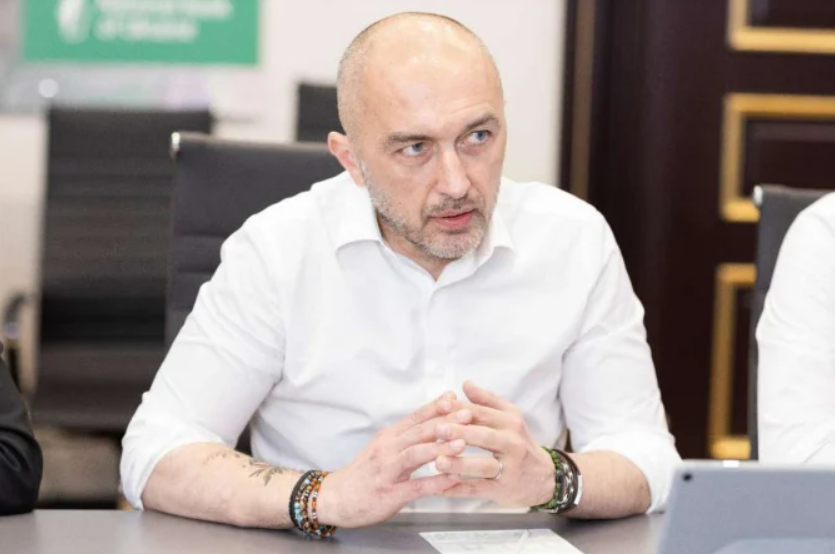
The adoption of the draft law on virtual assets in its first reading is an important step, but the document requires significant refinement, and the National Bank has outlined clear “red lines” that cannot be crossed. This was emphasized by NBU governor Andriy Pyshnyy during a meeting with business leaders at the EBA Global Outlook conference.
An Imperfect but Necessary Law
Pyshnyy stressed the urgent need to legalize the virtual assets market, noting that in just the first half of 2025, companies in this sector in Ukraine reported a turnover of nearly $7 billion.
He confirmed that the NBU is ready to work with parliament, business, and international partners to refine the draft law already passed in the first reading.
“We have a clear understanding of our functions and red lines that cannot be crossed,” he said.
The NBU’s Key Restrictions
Among the main “red lines,” Pyshnyy highlighted:
- Status of virtual assets: “They cannot serve as a means of payment,” he stressed.
- Regulatory clarity: The division of responsibilities between the NBU and the National Securities and Stock Market Commission (NSSMC) must be clearly outlined in law, not delegated to the government.
- Exchange oversight: Rules for converting virtual assets into currency and the NBU’s role in this process must be unambiguous.
“It is important that virtual assets do not become a tool to bypass NBU restrictions, and their legalization must not feed the shadow economy,” Pyshnyy added.
Background
On September 3, the Ukrainian Parliament passed in the first reading amendments to the Tax Code that introduce a tax on profits from virtual asset transactions at an 18% personal income tax rate plus a military levy.
Info link: minfin.