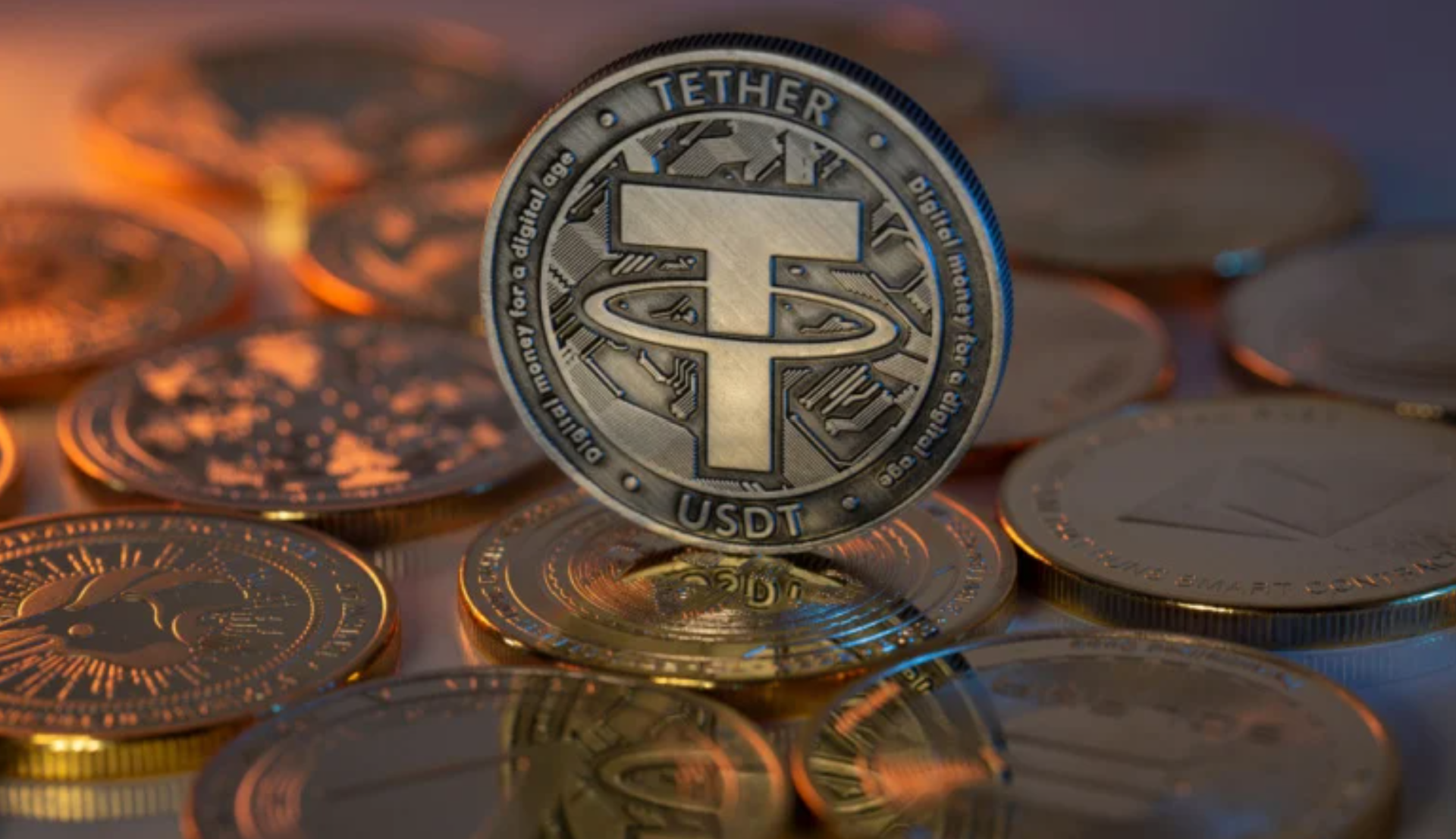
Tether, the issuer of USDT, says it has signed a formal agreement with a Big Four audit firm to conduct its first full independent financial audit. The company is presenting the move as a major transparency upgrade and says the preparatory phase has already been completed.
For the crypto market, this is one of the most consequential governance stories of the year. USDT is not just another stablecoin. It is the largest one in circulation, which means any change in how its reserves are examined has implications far beyond Tether itself. At stake is not only the reputation of one issuer, but the credibility of a liquidity layer that underpins a significant share of global crypto trading.
Why this matters now
Tether’s central problem has never been scale. It has been trust.
For years, the company published attestations of reserves, not full financial audits. That distinction matters. An attestation is a limited review of specific information at a given point in time. A full audit is broader. It examines financial statements, internal controls, systems, and reporting procedures in a much deeper and more rigorous way. That is why markets have long treated Tether’s disclosures as useful, but incomplete.
Tether itself acknowledged this gap back in 2022, when it announced a shift to quarterly attestations with BDO Italia and framed that process as a step toward stronger transparency. But even then, the market’s core demand did not change: if USDT is systemically important, partial comfort is not enough.
The shadow of 2021 still hangs over the company
This announcement does not arrive in a vacuum. Tether has spent years under pressure from regulators and analysts over the composition and credibility of its reserves.
The most important historical marker remains the 2021 enforcement action by the CFTC, which fined Tether $41 million for what the regulator described as misleading statements about the reserves backing USDT. The CFTC said Tether represented that USDT was fully backed by U.S. dollars, when in reality that was not true for most of the period under review, and it also noted the absence of routine professional audits.
That episode still defines how the market reads any disclosure coming from Tether. This new audit process is therefore not just a governance improvement. It is an attempt to close a credibility deficit that has been embedded in the USDT story for years.
What Tether says it has done so far
Tether says the preparatory phase for the audit was completed several weeks ago. The company also points to the appointment of Simon McWilliams as CFO in early 2025 as a critical part of the process, suggesting that moving toward a full audit required stronger internal financial leadership and more formal reporting readiness.
According to Tether, the audit firm selection followed a competitive process, and audit teams have already reviewed the company’s systems, internal controls, and financial reporting framework. The company also says it plans to move quoted securities as part of reserve optimization in the coming days, which suggests the process involves not just accounting presentation but active reserve structuring ahead of a deeper review.
Reuters reported earlier in 2025 that Tether was in talks with a Big Four firm about a reserve audit, so the formal announcement now appears to be the public confirmation of a process that had already been developing behind the scenes.
The strongest claim in the announcement — and the weakest point
Tether describes the engagement as a landmark event and implies it would represent a new quality standard for digital assets. But the announcement also leaves two major gaps.
First, the company did not name the audit firm. Second, it did not provide a firm completion date. Those omissions matter. Until the auditor is identified and the final opinion is published, the story remains one of process rather than proof. That leaves room for skepticism, even if the market welcomes the direction of travel.
And that is the core tension in the announcement. The market is no longer debating whether Tether needs a full audit. That question was settled a long time ago. The real issue is whether the company will carry the process through to a credible, internationally recognized conclusion.
Why the outcome matters for all of crypto
If Tether completes a full Big Four audit and the results validate the quality of its reserves and control environment, the payoff could be enormous. USDT would gain something it has never fully had: not just market dominance, but institutional-grade verification. That would strengthen Tether’s competitive position, lower part of the regulatory overhang, and potentially make USDT more resilient in the face of future scrutiny.
But the downside scenario matters just as much. If the audit is delayed, narrowed, or reveals meaningful weaknesses in reporting or reserve structure, the consequences would extend far beyond Tether. Because USDT is woven so deeply into trading, settlement, and liquidity across crypto markets, any serious confidence shock could have systemic effects. That is why this is not just a company story. It is a stress test for the credibility of crypto’s core financial plumbing.
Tether is finally moving toward the step the market has demanded for years: a full independent audit instead of reserve attestations alone. The announcement is important, and the fact that it involves a Big Four firm makes it more than routine corporate messaging. But the real significance will depend on one thing only: whether this process ends with a completed audit opinion that answers the old questions around USDT rather than postponing them yet again.