
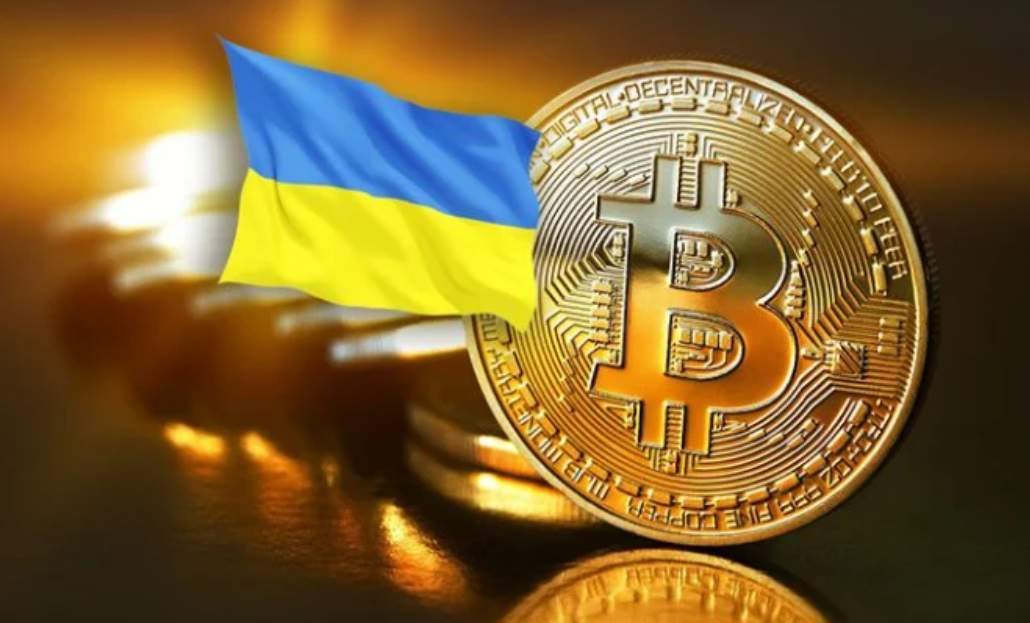
While most countries are still debating how to regulate digital assets, Ukraine has unexpectedly climbed into the top tier of global Bitcoin holders. According to public declarations, Ukrainian officials collectively reported holding over 46,000 BTC, making Ukraine the world’s fourth-largest holder of Bitcoin, just after the US, China, and the UK.
The Global Bitcoin Map
As of 2025, twelve governments worldwide control an estimated 525,753 BTC — worth nearly $60 billion and representing about 2.5% of all coins in circulation.
- United States — Nearly 200,000 BTC, accumulated through high-profile confiscations such as the Silk Road takedown and operations against darknet marketplaces and hackers. In March 2025, President Donald Trump consolidated these assets into a Strategic Bitcoin Reserve under federal control.
- China — Still one of the biggest players, though less transparent. Authorities seized 190,000 BTC in the 2019 PlusToken case. Some analysts believe a portion was sold, while others suggest the bulk remains in state wallets.
- United Kingdom — Holds around 61,000 BTC seized in 2021 during a money-laundering case. The government has yet to clarify whether these assets will be liquidated or added to reserves.
- North Korea — Through hacking groups like Lazarus, has accumulated 14,000+ BTC, selling over $1 billion worth in 2025 alone.
- Bhutan — A surprising entry, mining 13,029 BTC since 2019 using surplus hydropower, now equal to 38% of its GDP.
How Ukraine Climbed to #4
Ukraine’s position is unique: unlike the US or China, its Bitcoin holdings are not part of a centralized state reserve. Instead, they are tied to declarations of government officials.
- In 2018, 57 Ukrainian officials disclosed owning over 21,000 BTC.
- By 2021, this figure more than doubled: 652 officials reported 46,351 BTC in their tax declarations.
- These disclosures placed Ukraine at the top of global rankings for public official crypto holdings.
During Russia’s full-scale invasion in 2022, crypto played another role: fundraising for defense and humanitarian needs. In the first year of war, Ukraine received nearly 57 BTC in donations, which were spent on military equipment, logistics, and aid.
From Speculation to Reality
At one point, rumors circulated that Ukraine planned to build an official Bitcoin reserve. A draft law was even mentioned in parliament. However, by mid-2025, this idea had faded.
According to Arkham Intelligence, only 186 BTC remain in official state wallets, as most donations have been spent. Current balances of government-linked addresses hold just over $300,000 in mixed crypto assets.
Thus, the impressive figure of 46,000 BTC belongs not to the state treasury but to private wallets of Ukrainian officials — still enough to rank Ukraine as the world’s #4 Bitcoin country.
Why This Matters
Ukraine’s crypto story highlights several global trends:
- Decentralized wealth accumulation — Unlike the US or China, Ukraine’s Bitcoin wealth is distributed across private individuals, not centralized reserves.
- Transparency through declarations — Few governments require such detailed reporting of officials’ assets, putting Ukraine’s holdings in the global spotlight.
- Crypto as wartime finance — Donations proved that Bitcoin can act as a resilient tool for global fundraising under crisis.
In a world where states are cautiously experimenting with digital assets, Ukraine demonstrates an unusual but powerful path: crypto adoption not driven by regulators or central banks, but by individuals at the highest levels of government.
Infolink: minfin.